Ensuring Participant Safety and Injury Avoidance in Team Exercise Programs
Wiki Article
Team exercise workout classes are a common way for people to improve their well-being and fitness. These sessions often involve exercises like aerobics, cycling, yoga, and strength training, which can be fun and motivating. However, it is crucial to ensure the safety of participants during these classes to prevent harm. Coaches and instructors play a vital role in establishing a secure setting that fosters positive experiences for all involved.
To promote participant well-being, coaches should start by assessing the fitness levels of each individual. This can be done through pre-session surveys or casual conversations. Recognizing the requirements and abilities of attendees helps facilitators adapt workouts to suit various fitness levels. For instance, adjustments can be provided for beginners or those with physical limitations. By providing options, instructors motivate all participants to engage comfortably while still being challenged.
Effective pre-exercise and post-exercise sequences are essential elements of any group fitness class. Warming up before workouts readies the physique by slowly raising cardiac activity and improving blood flow to muscles. This reduces the likelihood of strains and joint injuries during workouts. Likewise, cooling down helps the system transition back helpful site to a resting state, preventing dizziness and supporting recovery. Instructors should always allocate time for these critical stages in every session they conduct.
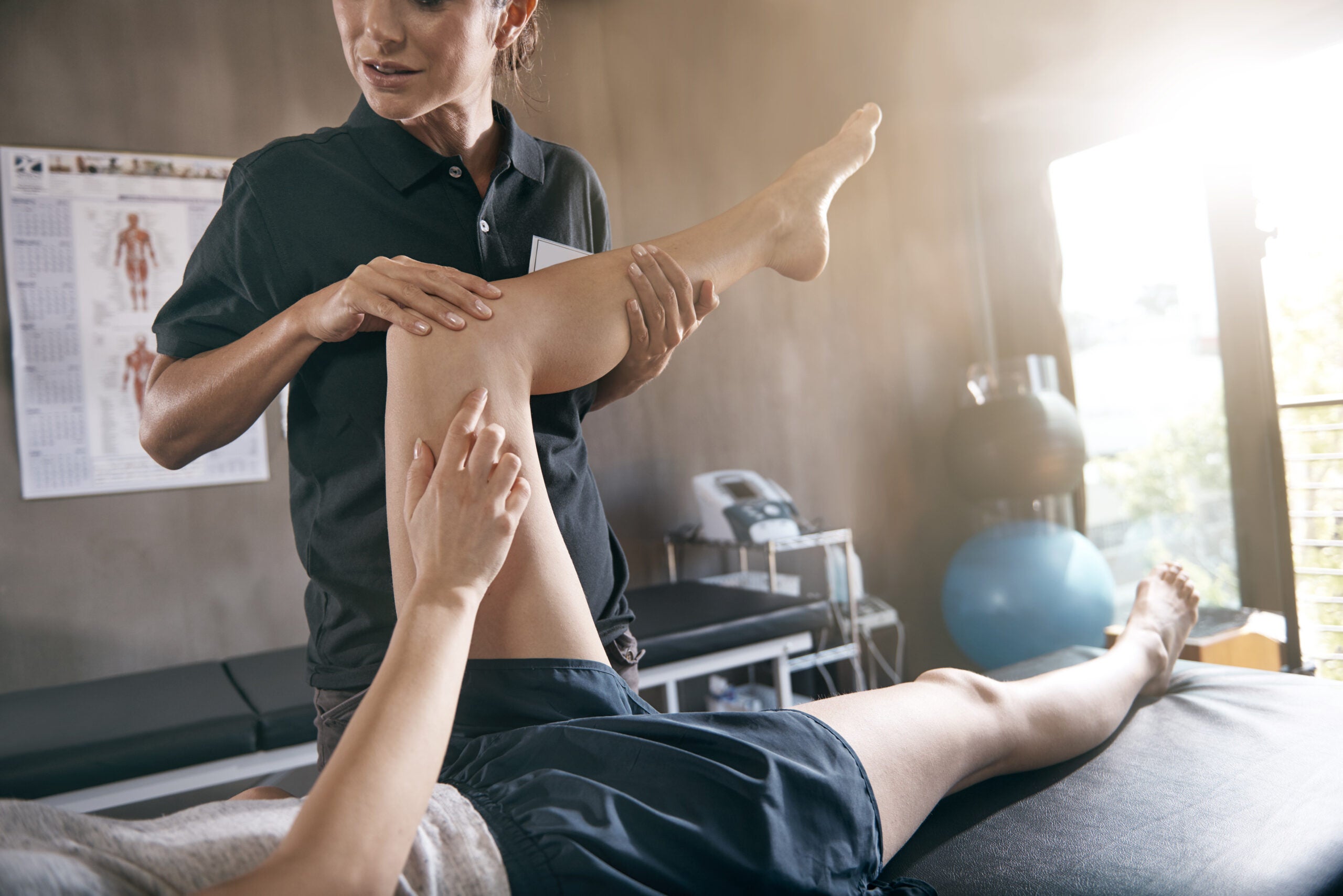
In addition to bodily protection, emotional health is also crucial in group exercise settings. Establishing a supportive environment where participants feel motivated and motivated can greatly improve their experience. Coaches should foster positive interaction by providing praise and helpful critique throughout the session. This not only boosts self-assurance but also helps individuals stay involved and focused on their goals.
In conclusion, it is crucial for coaches to stay current on best practices for risk reduction and participant care. Ongoing training through workshops, accreditations, and professional development keeps trainers knowledgeable about new methods and safety protocols. By focusing on try this out both bodily and mental health in group fitness workout sessions, instructors can help clients achieve their wellness goals while minimizing the likelihood of injury. A secure and rewarding environment creates long-term positive impacts on personal fitness paths.